




Bow hunting in the South African bushveld is a profoundly different experience from rifle hunting. The distances shrink, the preparation intensifies, and every sense is engaged. At Gaspare Spanio Safaris, our 3,000-hectare private concession in Limpopo Province offers some of the finest bow hunting terrain in Southern Africa — dense bushveld corridors, established water points fitted with permanent blinds, and a resident population of plains game that has never been pressured by high-volume operations. Whether you are a seasoned bow hunter or planning your first archery safari, this guide covers everything you need to know before you book.
Legal Requirements for Bow Hunting in Limpopo
Draw Weight Minimums by Species Category
Limpopo Province enforces minimum draw weight requirements based on the weight class of the animal you intend to hunt. These are non-negotiable and will be verified by your Professional Hunter before the hunt commences.
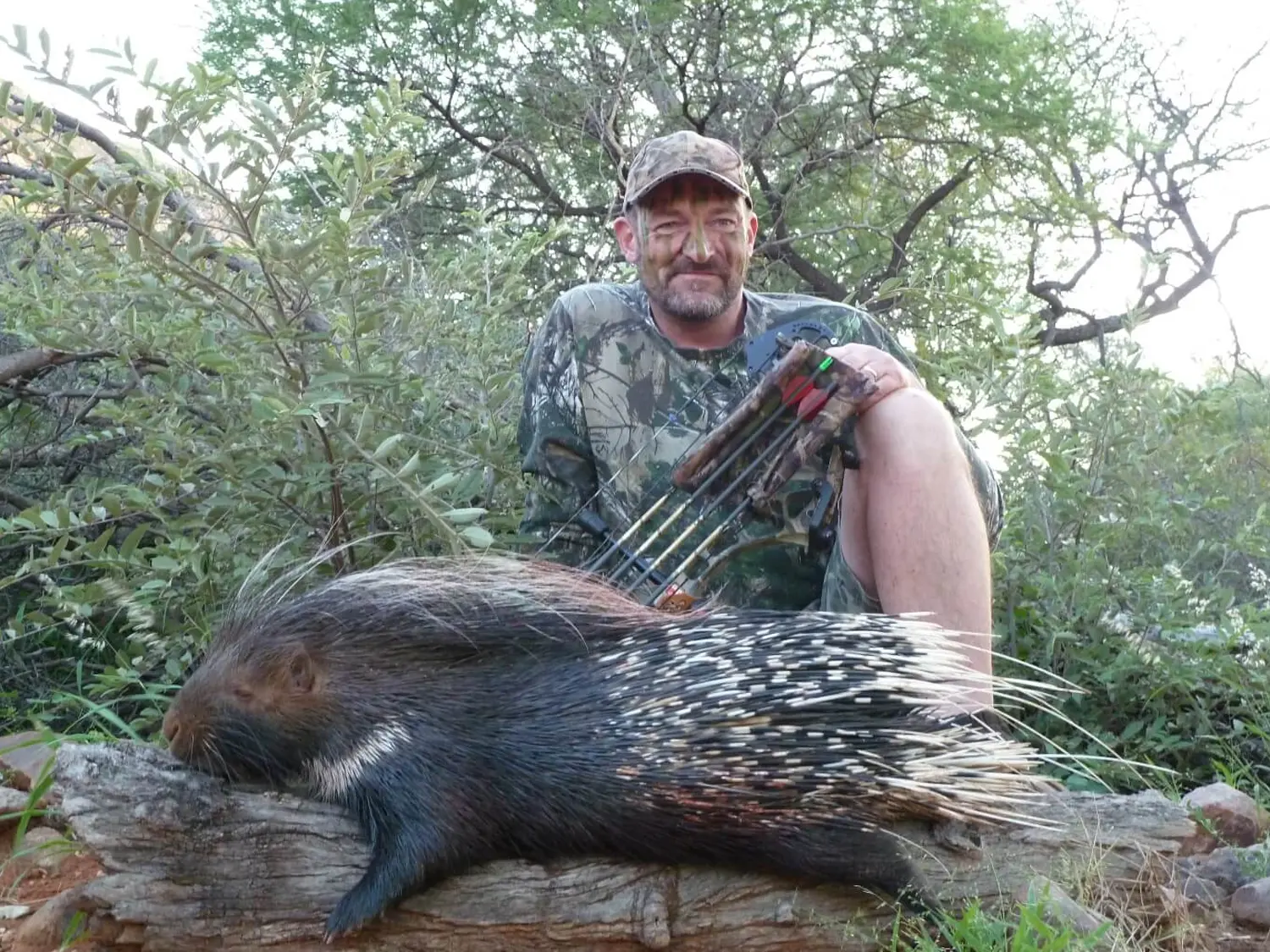
- Small game up to 70 kg (impala, bushbuck, warthog): Minimum draw weight of 50 lbs (23 kg) at your actual draw length.
- Medium game 70–150 kg (kudu, nyala, wildebeest, waterbuck): Minimum draw weight of 60 lbs (27 kg) at your actual draw length.
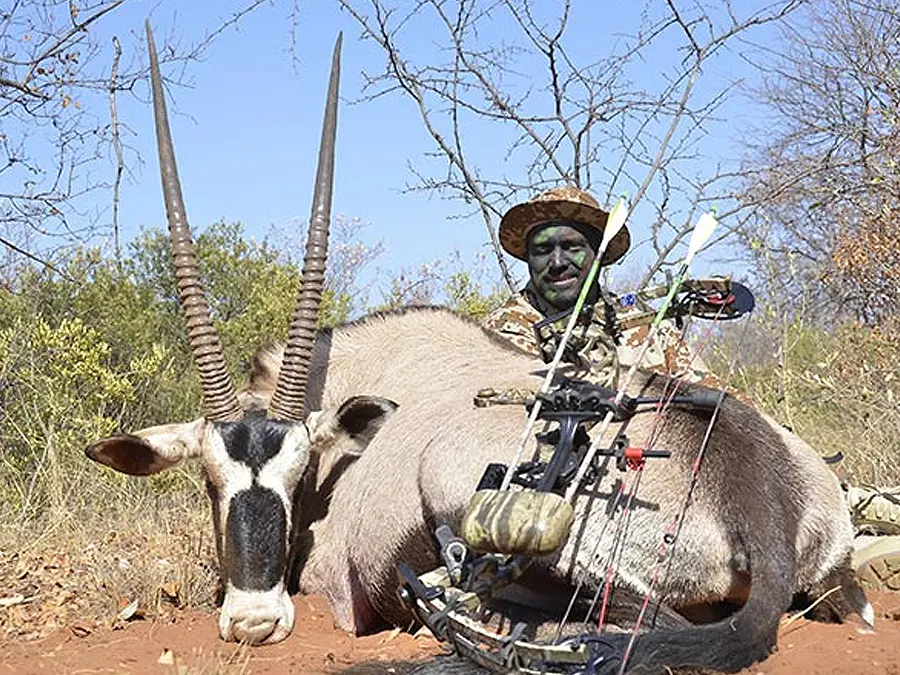
- Large game 150 kg and above (eland, gemsbok, zebra): Minimum draw weight of 70 lbs (32 kg) at your actual draw length.
These thresholds refer to the draw weight at your personal draw length, not the bow's peak rating. If your bow is rated at 70 lbs but you draw 27 inches on a 30-inch cam, your actual holding weight may fall below the legal minimum. Have your bow tested at a pro shop before departure and carry documentation of the measured draw weight.
Compound Bows and Crossbows — Both Legal on Private Land
South African law permits both compound bows and crossbows for hunting on private land in Limpopo. Crossbows must meet the same draw weight requirements as vertical bows. Most of our visiting bow hunters use compound bows in the 60–70 lb range, which comfortably covers every plains game species on our concession. Crossbow hunters are equally welcome and will hunt from the same blinds. Traditional recurve and longbow hunters are also accommodated, provided the equipment meets provincial draw weight minimums.
Broadhead Requirements and Recommendations
Limpopo regulations require a minimum cutting diameter of 25 mm (approximately 1 inch) on all broadheads used for hunting. Beyond the legal minimum, our Professional Hunters strongly recommend the following:
- Fixed-blade broadheads are preferred over mechanical (expandable) designs. African game is notably tough-skinned and heavy-boned compared to North American deer. Fixed blades offer reliable penetration through thick hide and the heavy shoulder bones of kudu, wildebeest, and other medium-to-large species.
- Two-blade or three-blade cut-on-contact designs in the 100–125 grain range deliver excellent blood trails and pass-through shots on broadside presentations.
- Mechanical broadheads can and do work on lighter species like impala and warthog, but the risk of partial deployment on a quartering shot through heavy muscle is real. If you choose mechanicals, bring fixed-blade backups.
- Total arrow weight should be at least 450 grains for medium game and 500 grains or above for kudu and larger species. Heavier arrows carry more momentum and penetrate more reliably at the moderate distances typical of bushveld bow hunting.
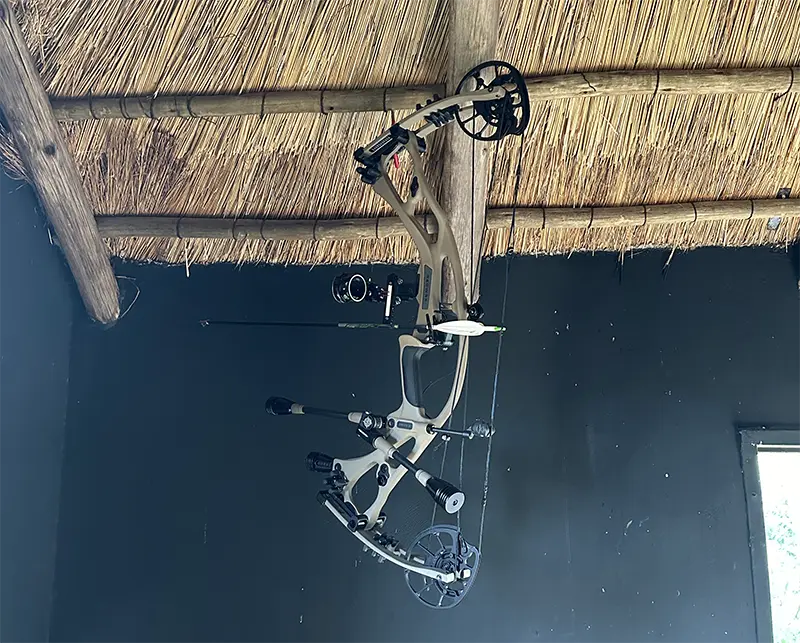
Hunting Methods — Blind Hunting vs Spot and Stalk
Blind Hunting at Water Points
Blind hunting over water is the primary method for bow hunting on our concession, and for good reason. Limpopo's dry winters (May through September) concentrate game at reliable water sources, and our permanent ground blinds are positioned at proven water points across the property. Each blind is set at distances between 15 and 30 metres from the water's edge, offering broadside and slightly quartering-away shot opportunities as animals drink.
Our blinds are spacious enough for a hunter and a cameraman, constructed from natural materials, and positioned to account for prevailing wind direction. Morning and late-afternoon sits are standard. During peak dry season, a single water point may see impala herds, warthog family groups, kudu bulls, nyala, and bushbuck within a single sitting. Patience is the key discipline — you may watch dozens of animals before the right specimen presents the right angle at the right distance.
Spot and Stalk
For experienced bow hunters who want a more active approach, spot-and-stalk hunting is available on our concession. The bushveld terrain provides reasonable cover for stalking, but be realistic about the difficulty. African plains game has exceptional eyesight, and the dry winter bush crackles underfoot. Successful stalks typically require slow, methodical movement into a position within 30–40 metres, using termite mounds, brush lines, and drainage features as cover. Your Professional Hunter will guide the approach and assess shot viability. Spot-and-stalk success rates are lower than blind hunting, but the experience is extraordinarily rewarding.
Typical Shot Distances
The vast majority of bow hunting shots on our concession fall between 15 and 40 metres. From blinds, most opportunities present at 18–25 metres. Stalk shots tend to be longer, in the 30–40 metre range. We strongly recommend that visiting hunters be proficient and confident at 40 metres under field conditions — not just at the range. Practice from a seated position, through simulated blind windows, and in low-light conditions before your trip. If you can consistently place arrows in a 15 cm circle at 40 metres, you are well prepared.
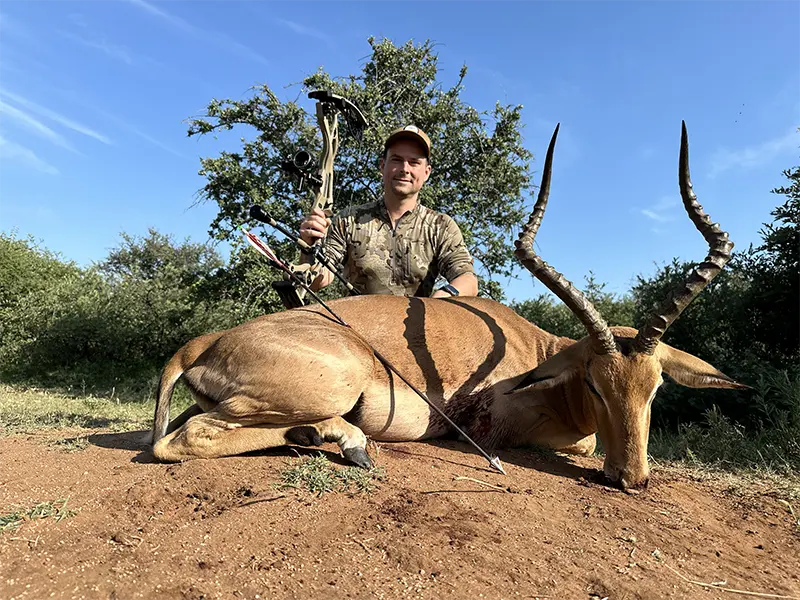
Best Species for Bow Hunting at Gaspare Spanio Safaris
Our concession supports healthy, free-ranging populations of the species most suited to archery hunting. These are our top recommendations:
- Impala: The classic first bow-hunt species. Abundant, regularly visiting water, and offering frequent broadside opportunities from blinds. An impala taken at 20 metres with a bow is a genuine trophy.
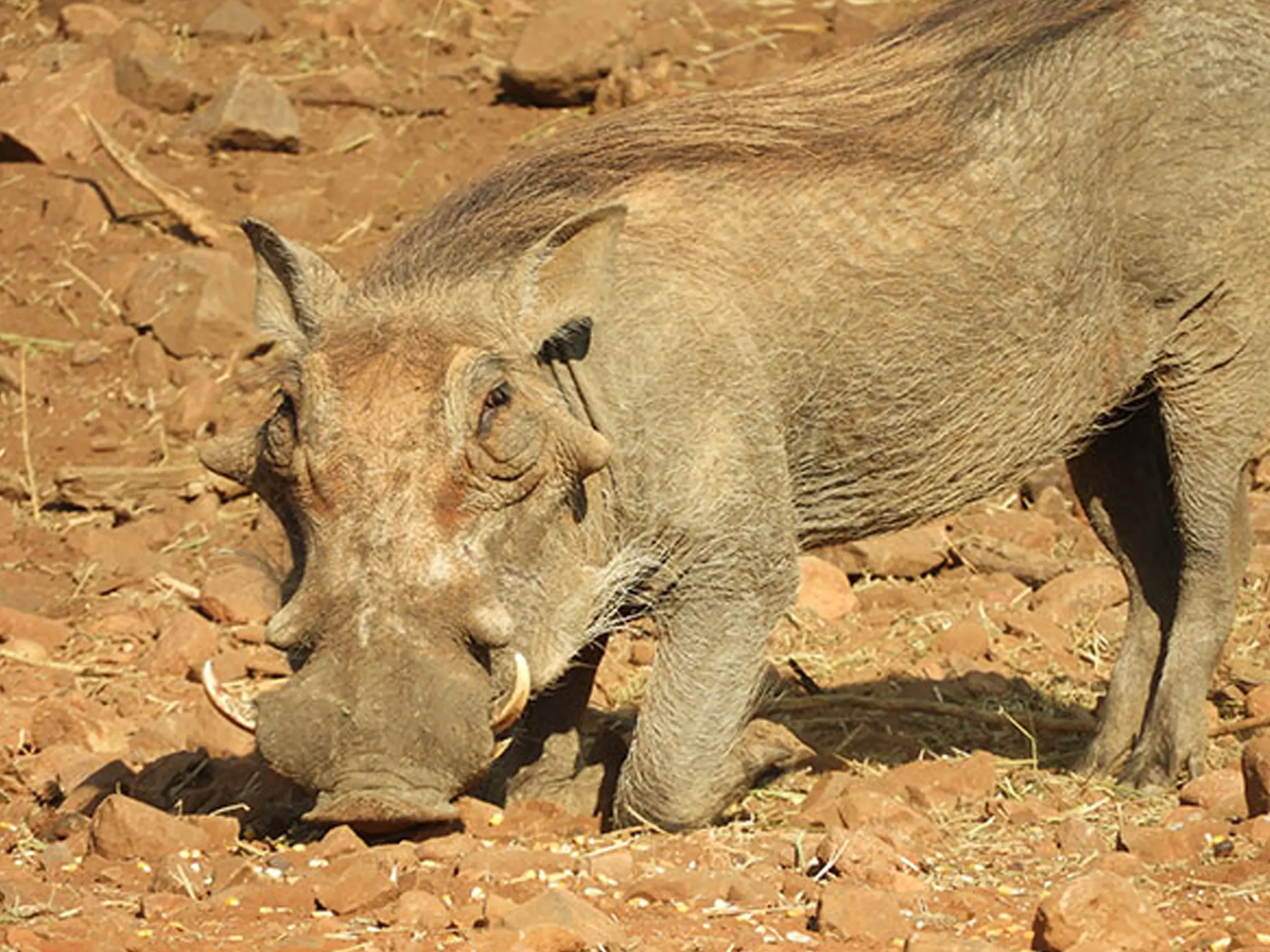
- Warthog: A bow hunter's favourite. Warthogs approach water confidently and kneel to drink, presenting a compact but rewarding target. Shot placement must be precise — aim tight behind the shoulder on the lower third.
- Kudu: The grey ghost of the bushveld. A mature kudu bull taken with a bow is one of Africa's great archery achievements. They are cautious at water and demand discipline. Wait for the broadside shot and use a heavy, fixed-blade arrow.
- Bushbuck: Secretive and solitary, bushbuck are a challenging blind-hunt species. They tend to visit water at first and last light, and rarely stand still for long. A beautiful trophy for the patient bow hunter.
- Nyala: Strikingly handsome and slightly less skittish than kudu, nyala bulls offer excellent bow hunting from blinds. They are present on our concession in good numbers and respond well to the water-point hunting method.
Bow-Specific Packing List
Packing for an archery safari requires more planning than a rifle hunt. Use this checklist as your starting point:
- Hard-sided bow case: Airlines require a lockable hard case for bow transport. TSA-approved locks are recommended. Measure your case against your airline's oversized baggage dimensions and pre-pay excess baggage fees where possible.
- 12–18 arrows: Bring more than you think you need. Arrows break, get lost in tracking, and may not be replaceable locally. Twelve is the minimum; eighteen gives you comfortable margin for a seven-day safari.
- Broadheads: A minimum of 12 fixed-blade broadheads, pre-sharpened. Bring a broadhead wrench and a quality sharpening system.
- Release aid: Your primary release plus a backup. Do not rely on a single release for a trip of this significance.
- Spare string and cables: Pre-stretched and ready to install. A bow press is not available in the bush — if your string fails without a spare, your hunt is over.
- Allen key set and bow tools: For sight adjustments and minor repairs.
- Rangefinder: Essential for confirming distances from the blind.
- Arm guard, finger tab (if applicable), and arrow rest spares.
Flying with Your Bow
Bows are classified as sporting equipment by most airlines, not as firearms. This simplifies the process considerably. You do not need a firearm permit to bring a bow into South Africa, though you must declare it at customs on arrival. Pack broadheads in your checked luggage — never in carry-on. Remove any broadheads from arrows before packing. Loosen your bow's limb bolts by two or three turns to reduce tension during transport, and protect cams and limbs with foam padding inside the case. Check your specific airline's sporting equipment policy for size and weight limits, and confirm acceptance when you book your ticket.
What Gaspare Spanio Safaris Provides
When you book a bow hunting safari with us, the following is included in your package:
- Permanent blinds at established water points — positioned, tested, and maintained specifically for bow hunting distances and wind patterns.
- Professional Hunter (PH) with bow hunting experience — your PH will be with you in the blind or guiding your stalk, assessing shot angles, confirming distances, and making the call on when to draw.
- Expert tracking team — even a perfectly placed arrow may result in a short tracking job. Our trackers are experienced at following blood trails through thick bush and will recover your animal.
- Backup PH with rifle — for safety and ethical compliance, a backup rifle is always available. If a wounded animal must be dispatched quickly, your PH will intervene to prevent unnecessary suffering.
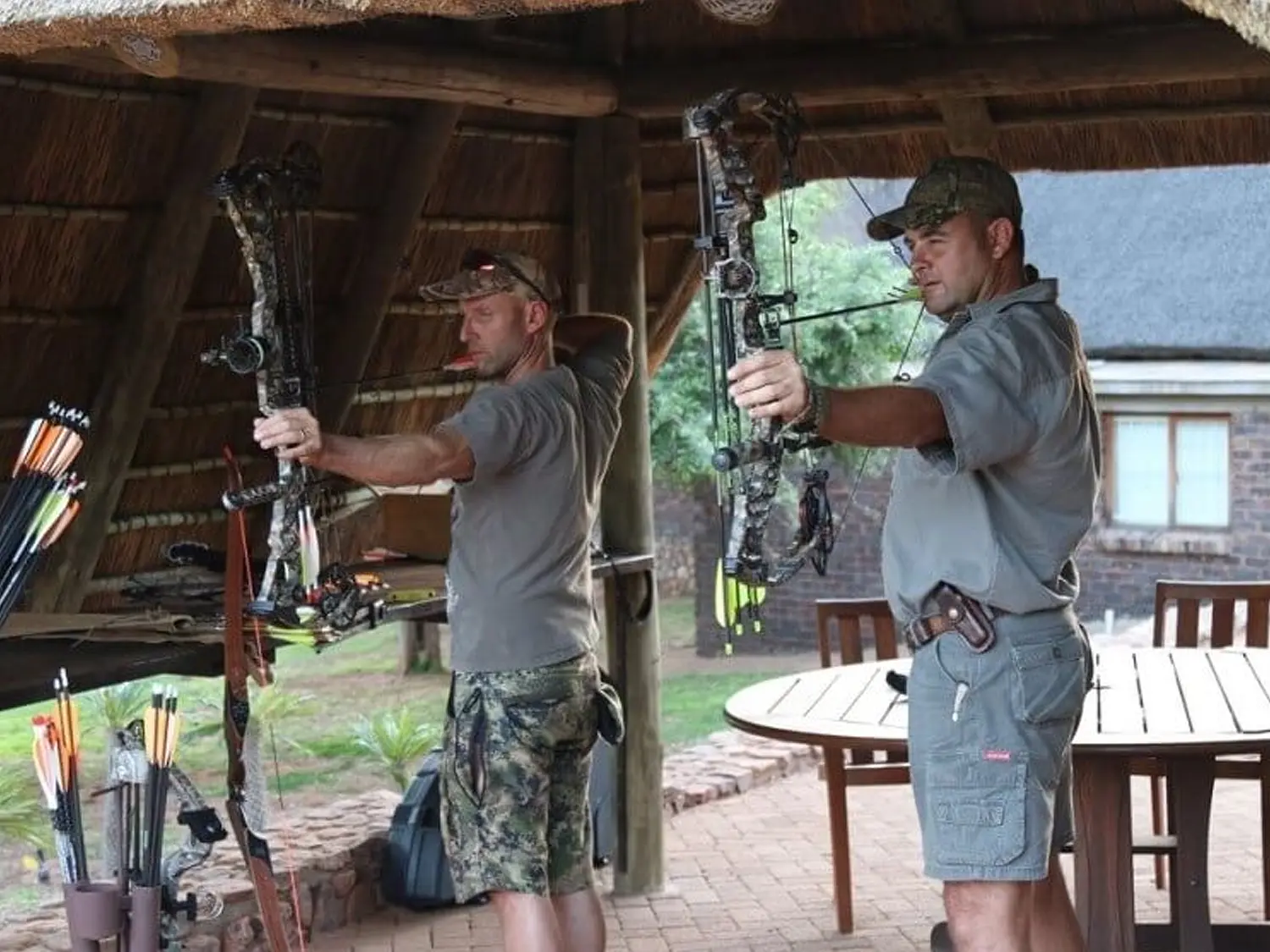
- Bow shooting range on site — sight in your bow on arrival and practice daily before heading to the blind.
- Trophy preparation and dip-and-pack coordination — we handle all post-hunt logistics.
Frequently Asked Questions
Do I need a permit to bring my bow into South Africa?
No. Unlike firearms, bows and crossbows do not require an import permit for entry into South Africa. You must declare your equipment at customs on arrival, but no advance paperwork or police authorisation is needed. This makes archery safaris significantly simpler from a logistics standpoint.
What is the best time of year for bow hunting in Limpopo?
The dry season from May through September is ideal. Water sources become scarce and game concentrates at the remaining water points where our blinds are positioned. June through August offers the most consistent blind-hunting action, with cooler temperatures and minimal insect activity as an added benefit.
Can I bow hunt and rifle hunt on the same safari?
Absolutely. Many of our clients combine bow hunting with rifle hunting on the same trip. You might dedicate the first few days to archery from blinds, then switch to rifle for species that are more practically taken at longer range. Discuss your goals with us when booking and we will structure your itinerary accordingly.
How many days should I allow for a bow hunting safari?
We recommend a minimum of seven hunting days for a dedicated bow safari targeting three to four species. Bow hunting requires more patience and more time than rifle hunting — you may sit in a blind for an entire session without taking a shot. A seven-day package gives you enough time to be selective and wait for quality animals and ethical shot presentations.
What if I wound an animal and it is not recovered?
Our tracking team has an excellent recovery rate, and we make every effort to find every animal that is hit. In the unlikely event that a wounded animal cannot be recovered despite a thorough search, the animal is still counted as taken and the trophy fee applies. This is standard practice across Southern Africa and underscores the importance of shot selection and waiting for the right opportunity.
Book Your Bow Hunting Safari
Gaspare Spanio Safaris offers a bow hunting experience built on decades of bushveld knowledge, purpose-built infrastructure, and a genuine passion for fair-chase archery. Our 3,000-hectare Limpopo concession delivers the game density, the habitat, and the professional support to make your African bow hunt everything it should be. Contact us to discuss your dates, your species wish list, and any questions about equipment or logistics. We will build a safari around your goals — and put you within 20 metres of the animal of a lifetime.

