


About the Animal
Burchell’s zebra (Equus quagga burchellii) is the most common and widespread zebra subspecies in southern Africa. Adults stand approximately 130 to 140 cm at the shoulder and weigh between 300 and 380 kg — substantially larger and heavier than many first-time hunters expect. Stallions are slightly larger than mares, with thicker necks and heavier overall builds, though the difference can be subtle at a distance.
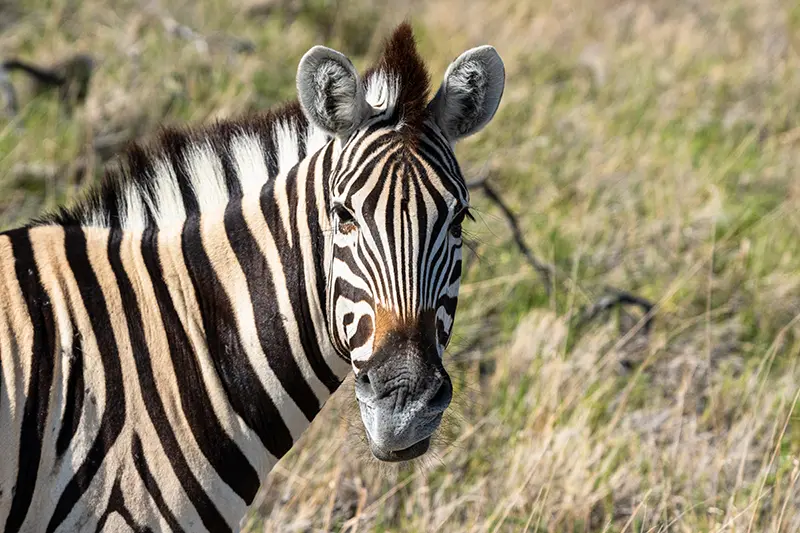
Each zebra’s stripe pattern is unique, much like a human fingerprint. Burchell’s zebra are characterised by their relatively broad stripes and the presence of faint “shadow stripes” — lighter brown stripes between the bold black-and-white pattern — particularly on the hindquarters and legs. The belly is typically white or lightly striped. The overall effect is an animal of extraordinary beauty that photographs and mounts magnificently.
Zebra are grazers, feeding almost exclusively on grass, and require access to water daily. They are social animals that live in small family groups led by a dominant stallion, with several mares and their foals. Bachelor stallions form separate groups. Zebra have excellent eyesight, good hearing, and a well-developed sense of smell. They are naturally cautious and often rely on the collective vigilance of the herd — when one animal raises its head in alarm, the entire group responds instantly. Their defence against predators includes a powerful kick that can break a lion’s jaw, a fact that underscores the need for respect when approaching a wounded animal.
Hunting Methods
Rifle Hunting
Rifle hunting is the standard and most effective method for taking zebra. The typical approach begins with locating a herd from a vehicle or vantage point, identifying a mature stallion, and then stalking on foot to within shooting range. Zebra in the Limpopo bushveld can be wary, and the stalk often requires patience and careful use of cover. Shots typically present at 100 to 200 metres, though the bush can occasionally provide closer opportunities.
Caliber selection is critically important for zebra. These are large, heavily muscled animals with thick hides — they are substantially tougher than antelope of comparable size. A .30-06 Springfield loaded with 180-grain premium bonded bullets is the minimum recommended caliber. The .300 Winchester Magnum with 180- or 200-grain bullets is the preferred choice and provides a meaningful margin of additional energy and penetration. Other suitable calibers include the .338 Winchester Magnum, 9.3x62mm, and .375 H&H. Avoid light bullets and rapid-expansion designs — deep penetration through heavy muscle and bone is essential. Every year, zebra are wounded by hunters using inadequate calibers or bullet types, and the result is invariably a difficult and unpleasant tracking job.
Bow Hunting
Bow hunting zebra is a serious undertaking that should only be attempted by experienced bow hunters. The animal’s thick hide, dense muscle, and heavy ribs demand maximum penetration. A minimum draw weight of 70 pounds is strongly recommended, with heavy arrows (500+ grains total weight) and large, razor-sharp fixed-blade broadheads. Cut-on-contact designs are preferred over mechanicals for maximum penetration. Hunt from a blind at a water point and wait for a perfectly broadside shot at close range — 20 metres or less is ideal. A marginal hit on a zebra is a serious problem, as they can cover a great deal of ground before expiring even with a good hit.
Walk and Stalk
Walk-and-stalk zebra hunting is a classic and rewarding approach in the Limpopo bushveld. Your professional hunter will lead you on foot, using the terrain, vegetation, and wind to approach a herd. Zebra tend to feed in more open areas, which can make the final approach challenging. The key is to use the fringe of the bush as cover and to be patient — zebra herds move constantly while grazing, and sometimes the best strategy is to anticipate their direction of travel and position yourself ahead of them. Glassing from elevated positions is valuable for identifying the dominant stallion before committing to a stalk.

Where to Hunt
Limpopo Province is home to large populations of Burchell’s zebra, and the species is one of the most commonly hunted plains game animals in the region. Gaspare Spanio Safaris’ private concession provides excellent zebra habitat — a mix of open grassland for grazing and bush-covered areas that provide shade and shelter. The property’s water sources attract zebra herds daily, and you will encounter them regularly throughout your hunt. The managed environment ensures quality stallions are available each season while maintaining a healthy and growing population. Zebra hunting South Africa in Limpopo also offers the advantage of combining this species with a wide variety of other bushveld game on the same property.
Best Time to Hunt
Zebra can be hunted year-round, but the dry winter months from May to September are optimal. The advantages are familiar to anyone who has hunted in Africa — thinner vegetation improves visibility and stalking conditions, cooler temperatures make for more comfortable hunting, and reduced water availability concentrates game at known water points. For bow hunters, the late dry season (August to September) is particularly productive, as zebra must drink daily and will visit water points regularly and predictably. During the summer wet season, zebra are more dispersed and the tall grass can make them difficult to spot and approach, though the lush green landscape and dramatic thunderstorm skies create spectacular photographic conditions.
Trophy Information
Zebra are not measured or scored in the traditional sense of horn or tusk length. The trophy value of a zebra lies in the quality and beauty of the skin, the overall condition of the animal, and the quality of the taxidermy work. For SCI record-book purposes, zebra are scored by measuring the combined length of both ears, multiplied by the combined tip-to-tip width.
- SCI minimum entry score: 108 inches (using the SCI measurement formula)
- Rowland Ward: Not measured in the traditional Rowland Ward system for minimum entry, though they are recorded
In practical terms, what makes a great zebra trophy is a mature stallion in prime condition with a clean, unblemished hide showing crisp, well-defined stripe patterns. Scars from fighting, tick damage, or rubbing can detract from the finished mount, so your professional hunter will take time to evaluate the skin condition before recommending a shot. A good stallion will have a thick neck, heavy body, and clear stripe definition. The shadow stripes on the hindquarters should be visible and add to the overall beauty of the trophy.
Shot Placement For a Zebra Hunt in South Africa
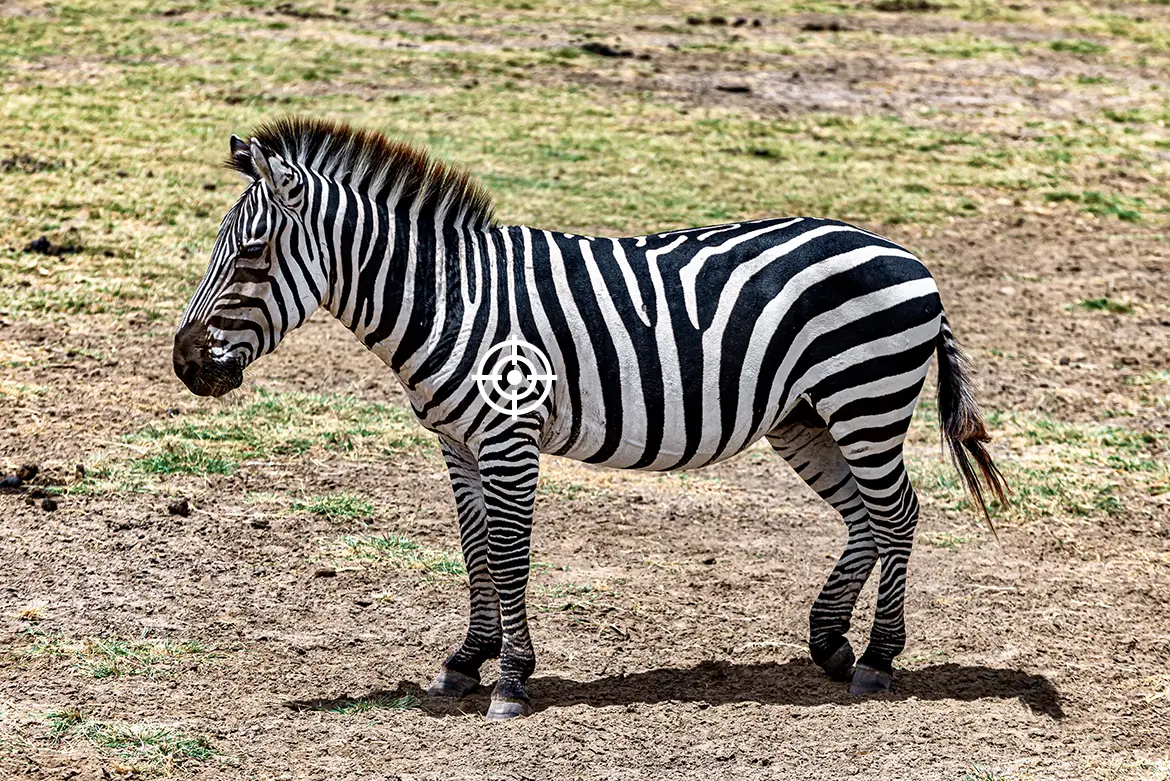
Shot placement on zebra is critical and differs slightly from most antelope species. The zebra’s thick hide, heavy musculature, and the equine body shape mean that the vitals are positioned slightly differently than on an antelope. For a broadside shot, the point of aim should be approximately one hand’s width behind the front leg, one-third of the way up from the bottom of the chest. This targets the heart and lungs. Do not aim on the shoulder as you might with an antelope — the zebra’s heavy shoulder blade can deflect or fragment lighter bullets.
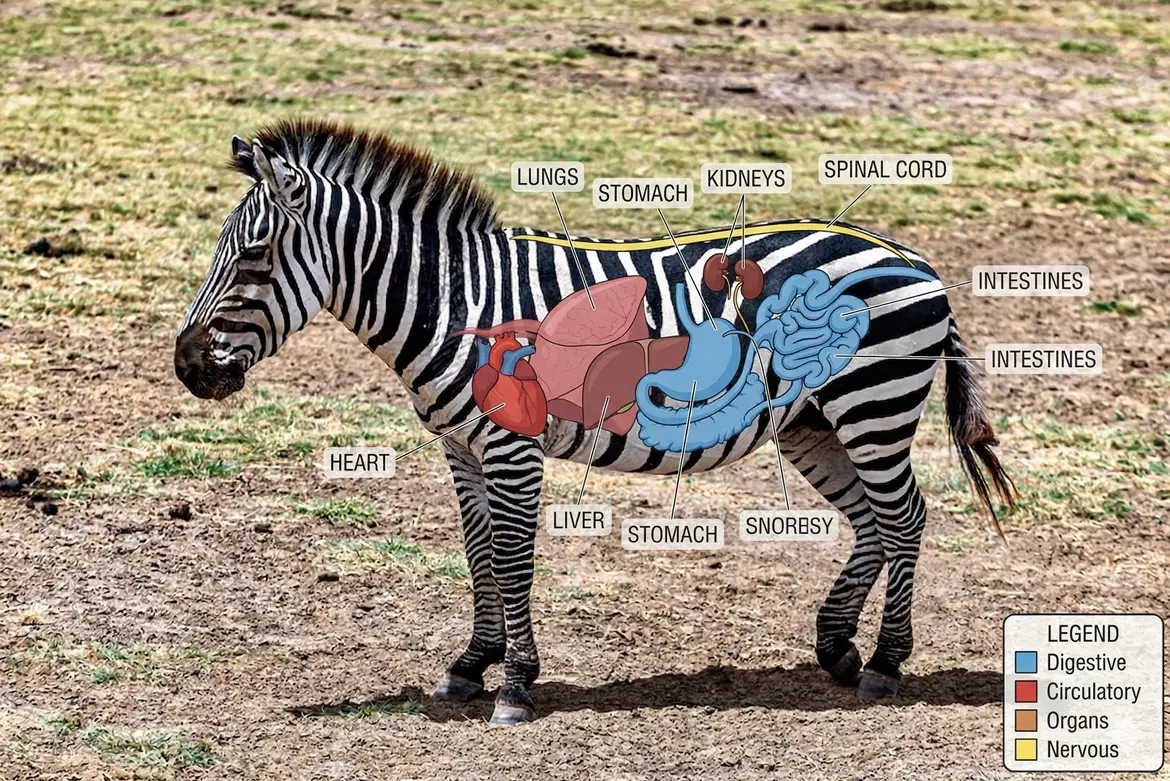
A common mistake is shooting too far forward into the heavy shoulder bone, resulting in a non-fatal wound. Equally, shooting too high will miss the vitals and strike the spine area, which may immobilise but not kill the animal cleanly. The quartering-away shot is effective — aim through the ribs toward the opposite shoulder. Frontal shots are not recommended due to the heavy chest bone and narrow vital angle. Above all, use enough gun, use heavy premium bullets, and wait for a clean broadside or slight quartering-away angle before pulling the trigger.
What’s Included
Your zebra hunting package with Gaspare Spanio Safaris includes:
- Professional hunter and experienced trackers for the duration of your hunt
- Lodge accommodation on the private game farm with full en-suite facilities
- All meals, refreshments, and beverages during your safari
- 4×4 hunting vehicle, shooting sticks, and all necessary field equipment
- Field preparation of the skin, including salting and delivery to your chosen taxidermist
- Daily laundry service
- Airport transfers from Polokwane or Johannesburg by arrangement
Trophy fees, taxidermy, dipping and packing, and export permits are charged separately. Zebra skins are large and require specialised handling — your taxidermist will advise on the best mounting option and associated costs.
Frequently Asked Questions
What are the most popular mounts for a zebra?
The two most popular options are a flat skin (tanned and backed for wall display) and a pedestal mount (head, neck, and front shoulders mounted on a freestanding base). Both are striking display pieces. Full-body mounts are occasionally commissioned but require significant space. A flat skin is the most affordable option and creates a dramatic wall display that showcases the full beauty of the animal’s stripe pattern.
Is zebra hunting difficult?
Zebra are more challenging than many first-time Africa hunters expect. They are alert, have excellent senses, and their herd structure means multiple sets of eyes are watching for danger at all times. The physical challenge is moderate — typical hunting involves walking on uneven terrain for several hours. The real challenge is mental: getting into position for a clean shot on a mature stallion without being detected by the rest of the herd.
How do I tell a stallion from a mare?
Stallions are generally larger and heavier than mares, with a thicker neck and more muscular overall build. In a family group, the stallion is often found at the rear of the herd, positioned between his mares and any perceived threat. Your professional hunter will identify the stallion before you begin the stalk. Do not rush this assessment — shooting a mare by mistake wastes your trophy fee and removes a breeding female from the population.
Why do I need such a heavy caliber for zebra?
Zebra are equines, not antelope, and their body structure reflects this. They have thick, tough hides, dense muscle tissue, and heavy ribs. A caliber and bullet combination that works perfectly on a 200 kg antelope may not penetrate adequately on a 350 kg zebra. The .300 Winchester Magnum with 180-grain bonded bullets is the gold standard because it offers the flat trajectory needed for bushveld distances combined with the energy and penetration required for a clean, ethical kill.
Can I eat zebra meat?
Yes. Zebra meat is lean, dark, and slightly sweet, with a flavour often compared to a cross between beef and game. It is popular as steaks, biltong, and in stews. While not every hunter chooses to eat zebra, it is perfectly palatable when prepared correctly. Any surplus meat from your hunt will be distributed to local communities and staff.
A zebra trophy is the centrepiece of any African safari collection — instantly recognisable, visually stunning, and a conversation starter for years to come. Whether you choose a flat skin for the wall or a pedestal mount for the trophy room, your zebra will be a permanent reminder of your time in the Limpopo bushveld. Contact Gaspare Spanio Safaris at gasparespaniosafaris.co.za to book your zebra hunting South Africa experience and bring home one of the continent’s most beautiful trophies.
Related Hunts
Hunters who pursue Zebra also enjoy these species:
- Wildebeest Hunting South Africa
- Gemsbok Hunting South Africa
- Giraffe Hunting South Africa
- Red Hartebeest Hunting South Africa
View all huntable species at Gaspare Spanio Safaris.

