


This guide covers everything you need to know before booking your first hunting safari, from physical preparation and rifle practice to what happens on the ground when you arrive at the lodge. Whether you are a seasoned deer hunter or picking up a rifle for the first time, this will help you arrive prepared, confident, and ready to make the most of every day in the bush.
What Is a Hunting Safari — and How Does It Differ from a Photo Safari?
A photo safari typically involves game drives in open vehicles through large national parks. You observe wildlife from a distance, guided by a field guide. A hunting safari is fundamentally different. You are on foot, walking through private concessions with a Professional Hunter (PH) who tracks, stalks, and guides you into ethical shooting range of free-roaming wild game.
On a hunting safari, you are not a spectator — you are a participant. You read the wind, follow spoor in the dust, glass ridgelines with binoculars, and crawl through thornscrub to close distance on an animal. The physicality, the patience, and the deep engagement with the landscape make it an immersive wilderness experience that no vehicle-based safari can replicate.
At Gaspare Spanio Safaris, our hunting concession spans 3,000 hectares of private Limpopo bushveld. Animals are free-ranging and wild. There are no fences funnelling game toward you, and no guarantees — which is exactly what makes it real.
The Role of Your Professional Hunter
Your PH is the most important person on your safari. In South Africa, all foreign hunters must be accompanied by a licensed Professional Hunter registered with PHASA (Professional Hunters’ Association of South Africa). Your PH is responsible for your safety, for ensuring all hunting is legal and ethical, and for putting you in position for a clean shot.
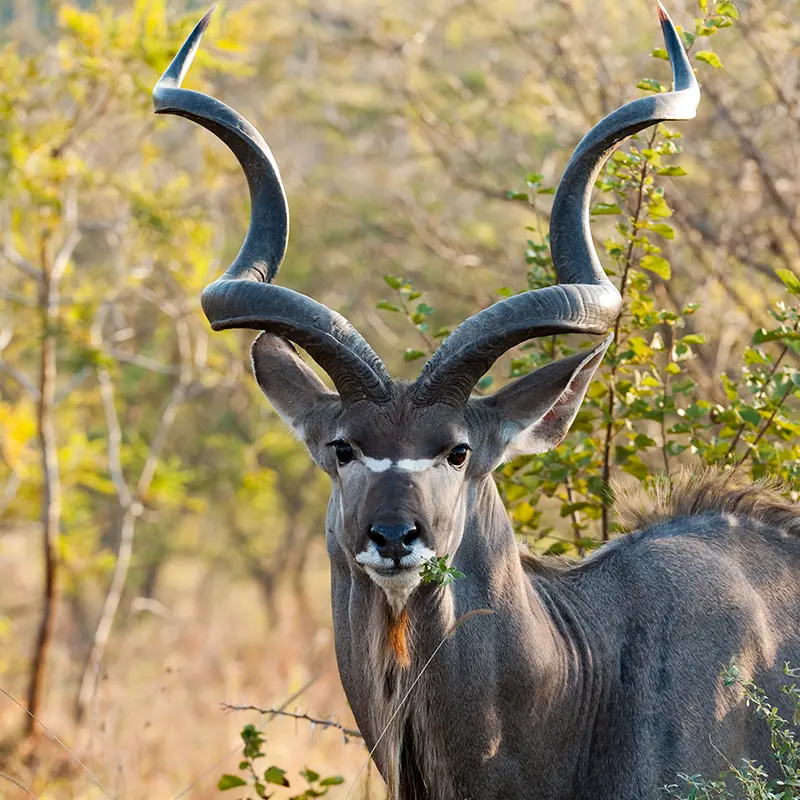
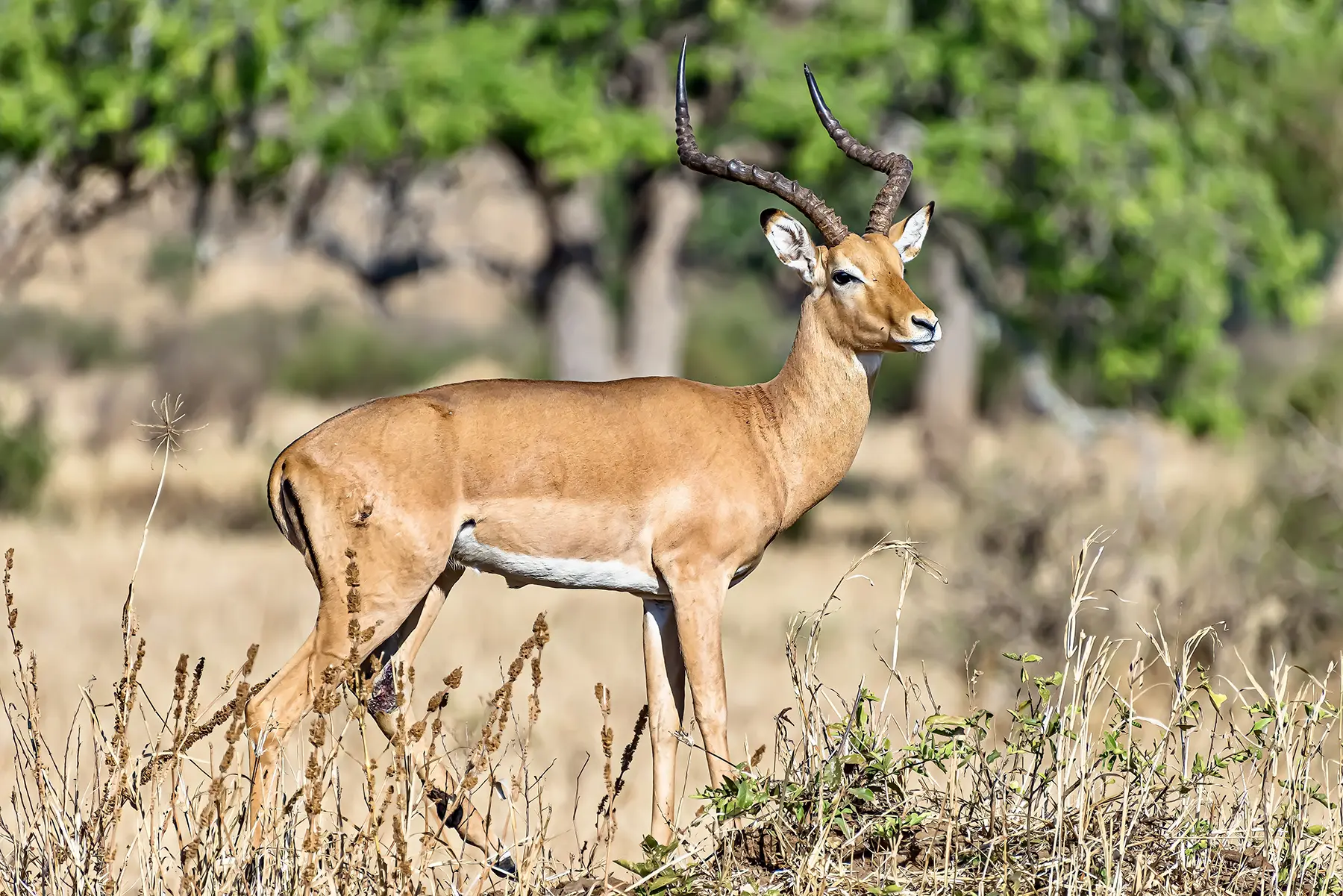
A good PH does far more than track animals. They teach you to read the bush — why a kudu bull feeds into the wind, how to tell a mature impala ram from a young one, when to move and when to freeze. They judge trophy quality, assess shot angles, and will tell you honestly when to take the shot and when to pass.
At Gaspare Spanio Safaris, our PHs are PHASA-licensed, Limpopo-born, and have hunted this concession for years. This is a family-run operation, not a volume outfitter cycling clients through. Your PH will be with you from dawn to dusk, every day of your hunt. Listen to them. Trust their judgement. The hunters who have the best safaris are the ones who treat their PH as a partner, not a servant.
Choosing the Right Outfitter
South Africa has hundreds of hunting outfitters, and quality varies enormously. Here is what to look for:
- PHASA membership and licensing — Non-negotiable. This ensures legal compliance, insurance, and adherence to a professional code of conduct.
- Private concession vs. shared land — A private concession means your outfitter controls the land, the game management, and your experience. You are not competing with other hunting parties.
- Fair chase hunting — Avoid any outfitter that offers put-and-take hunting, where animals are released shortly before your arrival. Ethical outfitters hunt free-ranging, self-sustaining populations.
- Owner-operated — Family-run operations tend to care more about your experience and their reputation than large corporate outfits processing dozens of hunters per season.
- References and repeat clients — Ask for references. The best outfitters have clients who return year after year.
Gaspare Spanio Safaris ticks every box. We are PHASA-licensed, family-run, and operate exclusively on our own 3,000-hectare private concession in Limpopo. Our game is wild and free-ranging. We take a limited number of hunters each season to ensure quality and sustainable wildlife management.
Physical Preparation — What Your Body Needs to Be Ready For
Hunting in the Limpopo bushveld is physically demanding. On a typical day, you will walk between 8 and 15 kilometres over uneven terrain — rocky ridges, sandy riverbeds, dense thornbush, and open savanna. Temperatures during hunting season (April to October) range from cool mornings near 5°C to midday highs of 25–30°C. In the early and late season, it can push past 35°C.
You do not need to be an athlete, but you do need a baseline level of fitness. Here is a three-month preparation plan:
- Month 1: Walk 5 km three times per week on varied terrain. Add hills if possible. Focus on building a comfortable walking pace you can sustain for two hours.
- Month 2: Increase to 8–10 km walks. Add a daypack with 5–8 kg to simulate carrying water, binoculars, and a rifle. Practice walking quietly — slow, deliberate steps.
- Month 3: Walk 10–15 km at least twice per week. Include some sessions in the heat of the day. Practice getting up and down from sitting and kneeling positions — you will do this repeatedly when shooting from sticks.
Leg strength and core stability matter more than cardiovascular fitness. Squats, lunges, and step-ups are your best exercises. If you have knee or hip issues, discuss them with us before your trip so we can plan accordingly — we can adapt the hunting style, use blinds, or focus on areas with easier terrain.
Shooting Preparation — Practice Like You Will Hunt
This is where most first-time safari hunters fall short. Shooting from a bench rest at a range does not prepare you for shooting off sticks in the African bush. In the Limpopo bushveld, the vast majority of your shots will be taken from a standing position using shooting sticks at distances between 50 and 250 metres.
Here is how to prepare:
- Get shooting sticks — Buy or make a set of African-style tripod sticks and practice with them at least twice a week for the three months before your safari.
- Practice at realistic distances — Most shots in the bushveld are between 80 and 150 metres. Practice at 50, 100, 150, and 200 metres from sticks until you can consistently hit a 15 cm target.
- Shoot in field positions — Practice standing, kneeling, and sitting. Practice getting on the sticks quickly and settling into a steady hold within five seconds.
- Know your rifle — You should be able to operate your safety, load, and unload without looking. Carry your rifle on walks to build familiarity with its weight and balance.
For caliber recommendations, see our detailed rifle hunting guide. As a general rule, a .30-06 or .300 Winchester Magnum with quality 180-grain bullets will handle 90 percent of plains game species in South Africa.
Hunting Ethics and Fair Chase
Ethical hunting is the foundation of everything we do. Fair chase means the animal has a reasonable chance of escaping. It means hunting free-ranging animals in their natural habitat, on foot, using skill and patience rather than technology or artificial advantage.
At Gaspare Spanio Safaris, we adhere to strict fair chase principles:
- All animals are free-ranging on our 3,000-hectare concession — no canned hunting, no put-and-take.
- We hunt on foot. No shooting from vehicles.
- We will not take a shot unless it is ethical — correct angle, appropriate distance, and the hunter is steady and confident.
- We practice selective harvesting. Our PHs assess trophy quality and age to ensure we take mature animals, supporting long-term population health.
- Every animal taken is fully utilised — trophies, meat, and hides. Nothing is wasted.
The Safari Experience Beyond Hunting
A hunting safari is not just about the hunt. The time between hunts is part of the experience — and at our lodge, we make sure of it.
Your days begin before sunrise with coffee on the veranda, watching the bush come alive. After a morning hunt, you return to the lodge for a full brunch. Afternoons can be spent resting, swimming, or heading back out for an evening stalk. Sundowners in the bush — cold drinks on a rocky outcrop as the sun drops below the Waterberg — are a safari tradition we take seriously.
Evenings revolve around the boma, where meals are prepared over open flame. Expect outstanding South African cuisine — game meat, potjiekos, braai, and local wines. After dinner, the Limpopo night sky is extraordinary — no light pollution, no noise, just the sounds of the African bush.
Non-hunting companions are welcome and well catered for. We offer game drives, bird watching, bush walks, visits to local cultural sites, and day trips to nearby reserves. Many of our guests bring partners or family members who enjoy the lodge and landscape while the hunter is in the field.
Common Mistakes First-Time Safari Hunters Make
- Not practising from shooting sticks — This is the number one mistake. Range shooting from a bench does not translate to field shooting. Practise from sticks or your trip will be frustrating.
- Wearing the wrong clothing — Avoid bright colours, noisy fabrics, and new boots. Wear muted greens, browns, or khaki. Break in your boots months before departure. Bring layers — mornings are cold, middays are hot.
- Underestimating the heat and sun — Dehydration creeps up on you. Drink water constantly, wear a wide-brimmed hat, and use high-SPF sunscreen. The Limpopo sun is fierce, even in winter.
- Not listening to the PH — Your PH knows this bush intimately. When they say wait, wait. When they say shoot, shoot. When they say pass on an animal, trust the decision. Arguing with your PH costs you opportunities.
- Rushing the trophy list — Some hunters arrive with a long list of species and try to tick them all off as quickly as possible. Slow down. Enjoy each stalk. A safari is not a race. Some of the best moments happen between the shots.
- Ignoring pre-trip fitness — Arriving unfit means you cannot keep up on long stalks, you are breathing too hard to shoot accurately, and you miss opportunities because your body gives out before the animal does.
Frequently Asked Questions
Do I need previous hunting experience to book a safari?
No. We welcome first-time hunters. Your PH will guide you through every step — from approaching the animal to placing the shot. However, you must be proficient with your rifle before you arrive. We expect you to have practised from shooting sticks and to be able to place consistent shots at 100–150 metres.
What is the best time of year to hunt in Limpopo?
The hunting season runs from April to October. May to August offers the best conditions — cooler temperatures, thinner vegetation (making animals easier to spot), and animals concentrating around water sources. Early season (April–May) and late season (September–October) are warmer but can offer excellent hunting on specific species.
Can I bring my own rifle to South Africa?
Yes. South Africa allows temporary import of firearms with a valid permit (SAPS Form 520). We handle the paperwork and assist you through the process at the airport. Alternatively, we provide quality hunting rifles and ammunition at the lodge if you prefer to travel without firearms.
What happens to the meat after the hunt?
All meat is utilised. A portion is prepared at the lodge for meals during your stay. The remainder is distributed to local staff and community members. Nothing is wasted. Trophies are processed by our preferred taxidermist and shipped to your home country via a specialist freight company.
Is it safe to travel to South Africa for a hunting safari?
Yes. Limpopo Province is a rural, agricultural region — it is not Johannesburg. You will be collected at the airport by our team and transferred directly to the lodge. During your stay, you are on private land with experienced guides at all times. Thousands of international hunters visit South Africa safely every year. We have hosted guests from across the world for years without incident.
Ready to plan your first hunting safari? Explore our available species, see where you will stay at the lodge, or learn more about bow hunting as an alternative to rifle hunting.

